
I am an art historian specializing in global contemporary art, the art of the Americas, and the history of photography. I am particularly interested in the question of art and decolonial time and in the intersections of art, memory, literature, politics, journalism, universal jurisdiction, and human rights.

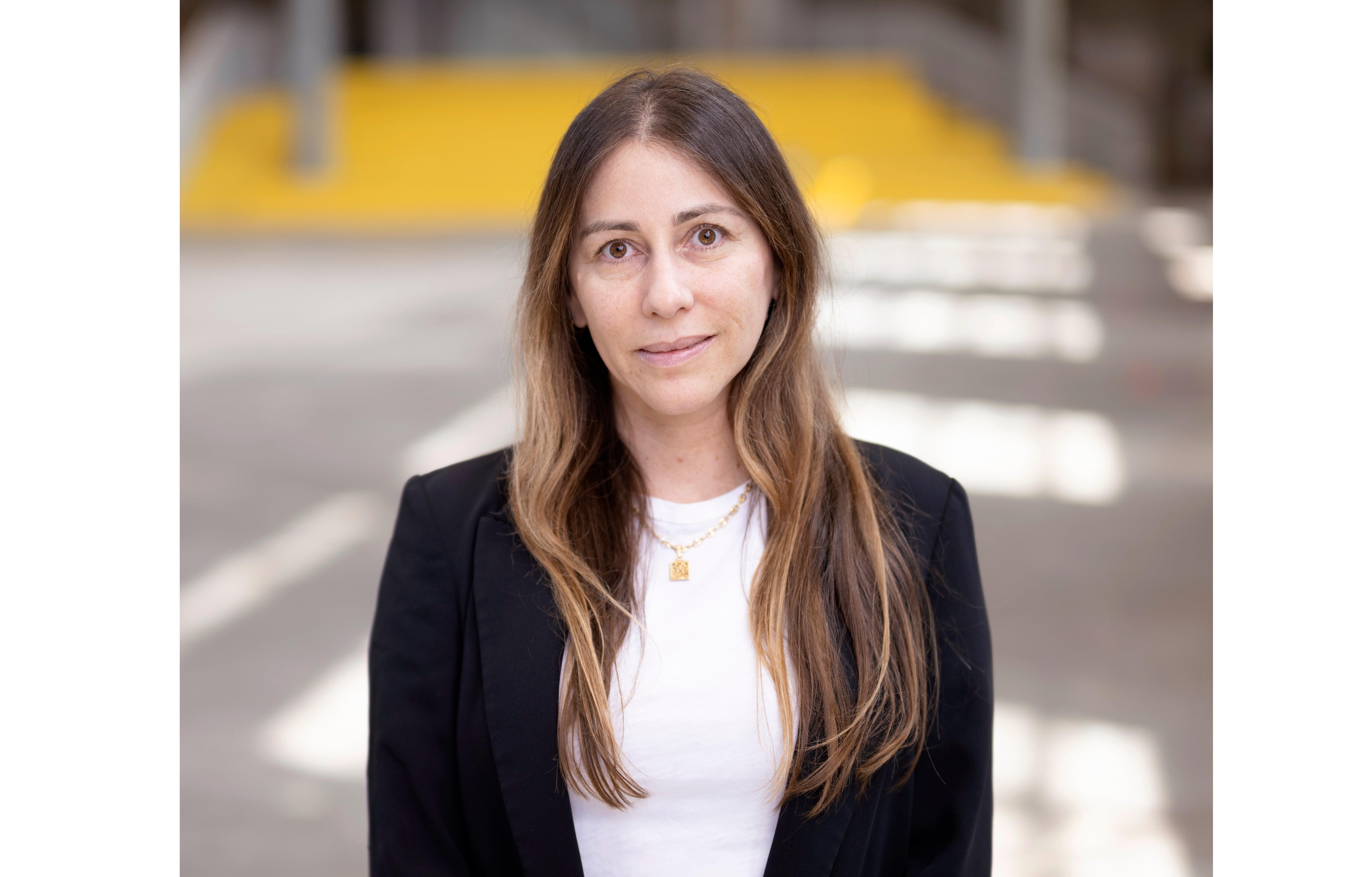
Florencia San Martín
Assistant Professor, Art History
610-758-6084
fls322@lehigh.edu
113 Research Drive Building C., Room 257
Education:
PhD, Rutgers, The State University of New Jersey
MA, Rutgers, The State University of New Jersey
MFA, New York University
Explore this Profile×
Focus Areas
Additional Interests
- Global Contemporary Art
- Latin American art and culture
- History of Photography
- Memory Studies
- Hemispheric Studies
- Critical Theory
- Decolonial Methodologies
- Poetry
Personal Statement
Biography
Florencia San Martín is an art historian specializing in contemporary art, the arts of the Americas, and the history of photography. Currently a Frank Hook Assistant Professor at Lehigh University, Professor San Martín is a transdisciplinary scholar working at the intersection of art history, cultural criticism, and Latin American and memory studies. Influenced by global social movements, anti-imperialist public scholarship, and decolonial poets, writers, and activists, her work more specifically examines the question of decolonial time and the possibilities of liberation through aesthetic forms that embrace hope and disobedience under our current neoliberal rule.
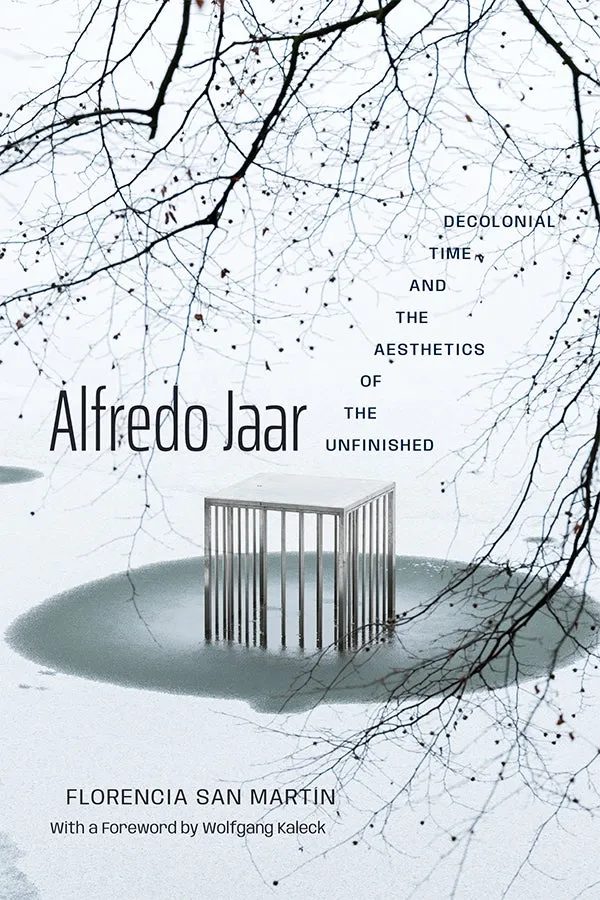
Professor San Martín's first academic monograph, Alfredo Jaar: Decolonial Time and the Aesthetics of the Unfinished (Duke University Press, 2026), analyzes the work of Alfredo Jaar, whose work challenges the linear and triumphalist temporality of Western modernity, which obscures the violence of colonization and globalization. Instead, the book argues that Jaar’s work represents decolonial time, exposing the limits of the violent systems we oppose but inhabit. Understanding decolonial temporality through the three main concepts in the book—mourning, accountability, and failure—this study offers a refreshing paradigm for thinking about global contemporary art today from the perspective of the Americas. Including a foreword by civil rights attorney and general secretary for the European Center for Constitutional and Human Rights, Wolfgang Kaleck, this study received a 2025 Millard Meiss Publication Fund from the College Art Association.
Prof. San Martín is co-editor of The Routledge Companion to Decolonizing Art History (Routledge, 2024); Dismantling the Nation: Contemporary Art in Chile (Amherst College Press, 2023); and the special issue “Decolonizing Contemporary Latin American Art” (Arts/MDPI, 2019). She is also the editor of Todavía somos el tiempo: arte y resistencia a 50 años del golpe (Ministry of Cultures, Arts and Heritage, 2025), the catalog accompanying the homonymous exhibition commissioned by the Chilean government to commemorate the 50th anniversary of the U.S.-backed military coup. In turn, her articles and reviews have been published in English, Spanish, and Portuguese in venues such as ASAP/J; LALVC, Latin American & Latinx Visual Culture; TRANSMODERNITY: Journal of Peripheral Cultural Production of the Luso-Hispanic World; JSAH, Journal of the Society of Architectural Historians; Illapa Mana Tukukuq; Poiésis; Anales de Literatura Chilena; Art Nexus; and NACLA, The North American Congress on Latin America, and her research has been supported by institutions including the College Art Association, the Smithsonian American Art Museum, and Crystal Bridges Museum of American Art. She has also been invited to speak at numerous institutions, including the Free University in Berlin, the Museum of Modern Art in Medellín, and the Central Academy of Fine Arts in Beijing.
Research & Creative Work
Books
Alfredo Jaar: Decolonial Time and the Aesthetics of the Unfinished. Duke University Press, 2026.
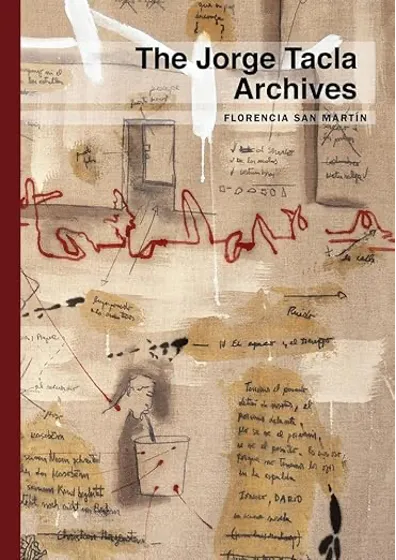
The Jorge Tacla Archives. Santiago: Arrabal, Artbook D.A.P, 2022.
Edited Volumes
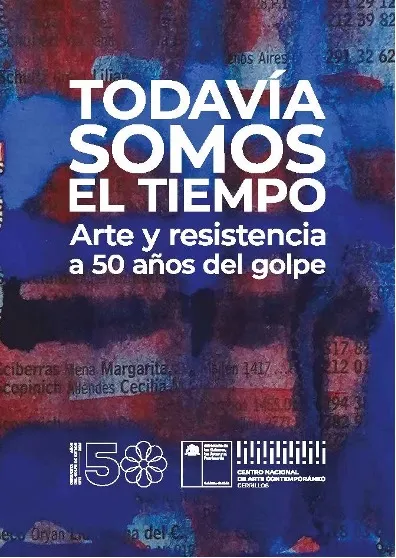
Todavía somos el tiempo: arte y resistencia a 50 años del golpe. Santiago: Centro Nacional de Arte Contemporáneo, 2024.
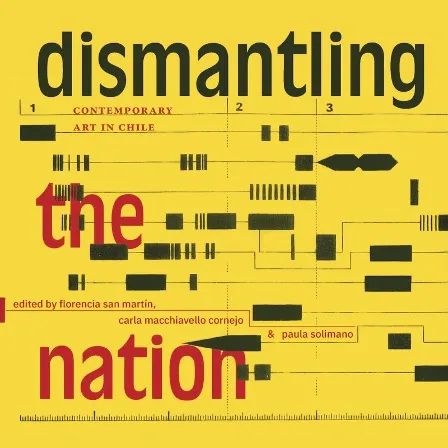
Dismantling the Nation: Contemporary Art in Chile. Co-edited with Carla Macchiavello and Paula Solimano. Amherst, MA: Amherst College Press, 2023.
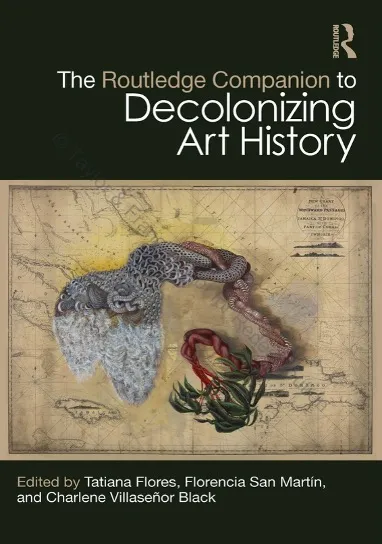
The Routledge Companion to Decolonizing Art History. Coedited with Tatiana Flores and Charlene Villasenor Black, eds. New York / London: Routledge, 2023.
Edited Journal Issues
“Decolonizing Contemporary Latin American Art.” Coedited with Tatiana Flores. Arts, an open access journal published online by MDPI (2019-2020)
Selected Articles and Book Chapters
“Time, Love and the Museum.” In Companion to Contemporary Art in a Global Framework, ed. Amelia Jones and Jane Chin Davidson, 467-479. Wiley Blackwell, 2024.
“El tiempo decolonial del duelo.” In Alfredo Jaar: El lado oscuro de la luna, 187-206. Santiago: Museo Nacional de Bellas Artes, 2024. Exhibition catalogue.
“On Failure and the Nation State: A Decolonial Reading of Alfredo Jaar’s A Logo for America.” In The Routledge Companion to Decolonizing Art History, ed. Tatiana Flores et al, 151-163. New York and London, Routledge, 2023.
“La fotografía en la obra de Pedro Lemebel.” In La vida imitada: Narrativa, performance y visualidad en la obra de Pedro Lemebel, edited by Fernando Blanco, 233-246. Madrid: Iberoamericana Vervuert, 2020.
“Decolonial Temporality in Alfredo Jaar’s The Kissinger Project.” ASAP/Journal 4, no. 2 (Spring 2019): 345-376.
“Political and Decolonial Allegories Made of Light: Reflections on Minimalism in the Americas.” In Dan Flavin. Luz y espacio, 48-59. Bogotá: Medellín Modern Art Museum and Editorial Planeta, 2019. Exhibition catalogue.
“To Not Forget Twice. Art and Social Change in Artists’ Books from Latin America.” In Freedom of the Presses: Artists’ Books in the Twenty-First Century, edited by Marshall Weber, 59-80. New York: Booklyn Ed., 2018.
“Yeguas del Apocalipsis: Cultura Loca y Neoliberalismo en el Chile de Casa Particular.” ILLAPA Mana Tukukuq 4, no. 14 (2017): 74-85.
Selected Reviews
Alfredo Jaar: The End of the World. Forthcoming with Journal of the Society of Architectural Historians, 2025.
Review of Karen Benezra, Dematerialization: Art and Design in Latin America (University of California Press, 2020). In Transmodernity: Journal of Peripheral Cultural Production of the Luso-Hispanic World 9 no. 6 (Spring 2021): 126-131.
San Martín, Florencia. Review of Macarena Gomez-Barris, Beyond the Pink Tide. Art and Political Undercurrents in the Americas (University of California Press, 2018). Latin American and Latinx Visual Culture 3 no. 1 (Jan. 2021): 120-122.
Image
Image
Alfredo Jaar: Decolonial Time and the Aesthetics of the Unfinished
"Alfredo Jaar: Decolonial Time and the Aesthetics of the Unfinished." Duke University Press, 2026.
Alfredo Jaar: Decolonial Time and the Aesthetics of the Unfinished
Image
Image
The Routledge Companion to Decolonizing Art History
"The Routledge Companion to Decolonizing Art History." Tatiana Flores, Florencia San Martín, and Charlene Villasenor Black, eds. New York / London: Routledge, 2023.
The Routledge Companion to Decolonizing Art History
Image
Image
Dismantling the Nation: Contemporary Art in Chile
"Dismantling the Nation: Contemporary Art in Chile." Florencia San Martín, Carla Macchiavello and Paula Solimano, eds. Amherst, MA: Amherst College Press, 2023.
Dismantling the Nation: Contemporary Art in Chile
Image
Image
The Jorge Tacla Archives
"The Jorge Tacla Archives." Ediciones de Arrabal, Artbook D.A.P, 2022.
The Jorge Tacla Archives
Image
Image
"Todavía somos el tiempo: arte y resistencia a 50 años del golpe"
"Todavía somos el tiempo: arte y resistencia a 50 años del golpe." Santiago: Centro Nacional de Arte Contemporáneo, 2024.
Todavía somos el tiempo: arte y resistencia a 50 años del golpe
Contemporary Art in Chile
Assistant Professor of Art History Florencia San Martín in conversation with Professor of Modern Languages and Literatures and Latin American and Latino Studies Matthew Bush about two recent publications edited by Prof. San Martín about contemporary art in Chile.
Contemporary Art in Chile
Florencia San Martín: El uso de la inteligencia artificial en el arte | Última Mirada
Florencia San Martín, historiadora del arte y profesora asistente de Historia del Arte de la Universidad de Lehigh, en Estados Unidos, analizó en Última Mirada la utilización de inteligencia artificial para producir material artístico. "Hay que saber cómo navegar la inteligencia artificial para no caer en la trampa del capital (...). A mí, la inteligencia artificial no me da miedo. No la pienso tampoco, porque creo que no alcanza, todavía, el discurso crítico, que es de donde sí se están articulando cuestiones interesantes para pensar el arte y la cultura".
Florencia San Martín: El uso de la inteligencia artificial en el arte | Última Mirada
Webinars ARTBO 2020: Alfredo Jaar y Florencia San Martín
El artista Alfredo Jaar dialoga con Florencia San Martín sobre cómo las crisis visibilizan las inequidades sociales, raciales y económicas, y cómo estas temáticas se relacionan con su obra y la política de las imágenes que constituye un eje central en su relación con la fotografía.
Webinars ARTBO 2020: Alfredo Jaar y Florencia San Martín
Florencia San Martín: El Movimiento de Solidaridad con Chile en Nueva York, 1972-1984
Durante los setenta y ochenta en los Estados Unidos, en las secuelas de la Guerra de Vietnam y del movimiento por los Derechos Civiles a finales de los sesenta, un gran numero de trabajadores culturales, activistas y estudiantes tomaron el caso de Chile como punto de partida, resignificando las relaciones hemisféricas entre arte, política y activismo de una manera sin precedentes. Creando un movimiento estético y solidario desde la costa este hasta la oeste el contexto de la Guerra Fría, en el corazón de dicho movimiento se encontraba la denuncia frente a la implementación y el desarrollo del proyecto neoliberal en Chile y, por extensión, en las Américas y el mundo. Basada en investigación de archivos encontrados en diferentes repositorios en los Estados Unidos, además de entrevistas y fuentes teóricas transdisciplinarias, esta presentación se basa específicamente en el desarrollo de dicho movimiento en el área de Nueva York. A través de ciertos casos de estudio, se examinan las maneras en que tanto el proyecto socialista de la Unidad Popular como la resistencia colectiva a la dictadura cívico-militar chilena comenzada en 1973 fueron representados por dicho movimiento en uno de sus epicentros geopolíticos, Nueva York, y por diversos profesionales del arte y la cultura, activistas, intelectuales y estudiantes. Entre ellas y ellos se encontraban veteranos de las luchas por los derechos civiles, además de artistas de origen hispánico y culturas que hoy se conocen como Latinx, y sujetos políticamente disidentes del Cono Sur y América Central viviendo entonces en el exilio. Destacan, entre muchas y muchos otros, las críticas de arte Dore Ashton y Lucy Lippard, el historiador del arte David Kunzle, la muralista Eva Cockcroft, artistas como Rudolph Baranick, Enrique Castro Cid, René Castro Ruiz, Máximo Colón, Juan Downey, Leon Golub, Liliana Porter, May Stevens y Rudolph Baranick, fotógrafos como Máximo Colón, cineastas como Saul Landau y Nina Serrano, y políticos y gestores culturales como Orlando Letelier. A la vez, instituciones, programas educativos, centros culturales, y medios estudiantiles promulgaron este movimiento, como el boletín informativo Chile Newsletter y el periódico The Medium; el comité, US Committee for Justice to Latin American Political Prisoners, USLA; el programa de televisión Realidades, las galerías de arte Ivan Karp y Cayman, y los colectivos como People’s Painters, y Artist call Against U.S. intervention in Central America.
Florencia San Martín: El Movimiento de Solidaridad con Chile en Nueva York, 1972-1984